Inside our Chinese fashion catalogue: 581 clothing finds across 8 categories
Most buying guides start from a wishlist and go looking for pieces to fit it. This one works the other way: it reads our own captured directory as a dataset, counts what is actually in stock, compares prices by category, and records how much product detail each listing publishes. The point is not to rank clothes as good or bad, but to show what the catalogue can support as a buying reference and where its evidence runs out.
How the sample was collected
The sample is the complete directory captured on 18 November 2026: 581 active listings, each with a product name, a captured USD price, one listing image, a primary category and, where assigned, a subcategory. Every card links to its own product page with the outbound order link and warehouse QC set. Prices are recorded at arrival; they are not live quotes, and they do not include international shipping, import duty or VAT.
- Scope. The directory covers outerwear, hoodies and sweatshirts, T-shirts, pants and jeans, knitwear, long-sleeve tops, sets and tracksuits, and shirts, plus 3 pieces filed under Other.
- What was measured. Category and subcategory counts, price range and median per category, and whether the product page publishes a colour field, a size field, any material or fill wording, or descriptive bullets.
- What was not measured. Fabric weight, fill power, stitch quality, authenticity and fit on a real body. None of these can be settled from a directory listing.
The eight categories at a glance
Outerwear is the largest group by a wide margin, followed by sweatshirts and T-shirts. Knitwear, long-sleeve tops, sets and shirts sit at the long tail. The table below uses the captured prices directly; the median, rather than the average, is used because a small number of high-priced pieces would otherwise pull the average upward.
| Category | Pieces | Min price | Median | Max price | With description |
|---|---|---|---|---|---|
| Outerwear | 227 | $34.08 | $78.48 | $282.52 | 111/227 |
| Hoodies & Sweatshirts | 107 | $28.10 | $58.00 | $71.75 | 84/107 |
| T-Shirts | 76 | $19.13 | $29.75 | $56.80 | 65/76 |
| Pants & Jeans | 54 | $23.62 | $58.00 | $66.52 | 54/54 |
| Knitwear | 40 | $26.91 | $57.40 | $152.47 | 10/40 |
| Long-Sleeve Tops | 32 | $26.91 | $44.55 | $60.54 | 25/32 |
| Sets & Tracksuits | 29 | $58.00 | $65.03 | $71.00 | 29/29 |
| Shirts | 13 | $31.39 | $35.88 | $67.27 | 6/13 |
Prices are captured item prices in USD, not live quotes or landed cost. "With description" means the listing carries at least one descriptive bullet.
Why outerwear deserves a separate read
Outerwear accounts for 227 of 581 listings, about 39% of the directory, and it spans the widest price spread, from $34.08 to $282.52. It splits into jackets, down and padded pieces, technical shells, gilets and one coat. Because a coat or puffer is usually the most expensive single item in a seasonal wardrobe, and the piece where shell, fill and cut matter most, it gets its own comparison rather than being averaged with T-shirts and sweatshirts. The winter jacket study looks at this group in detail.
Hoodies, knitwear and the lighter layers
Hoodies and sweatshirts are the second-largest group, split between hooded and crew-neck builds, with prices clustered in a narrow band. T-shirts are the cheapest category in the directory on median price, which sets a useful reference point when a premium-looking tee is priced above the cluster. Knitwear shows a wider upper range, and its listings publish the least structured detail: most carry no separate colour or material field, so the sweater group is the least well documented section of the catalogue.
How prices are distributed
Within each category the bulk of pieces sit close to the median, with a few listings priced well above it. The lowest prices appear in T-shirts and hoodies; the highest prices cluster in outerwear and a small number of knitwear pieces. A price above the category median does not prove better construction, and a price below it does not prove a bargain. It only means the listing sits where it sits in this sample, and the deciding evidence has to come from the QC photos, not the number alone.
Information completeness, by category
Not every listing publishes the same level of detail. Across the sample, the most common fields are descriptive bullets and a size range; colour and material wording appear less consistently. The table in the breakdown above counts how many pieces in each category carry at least one description bullet. In some groups, a size field is listed but a colour field is not, and in others the reverse is true. Where a listing omits material or fill information, that gap should be treated as unknown rather than assumed to be fine.
Every figure on this page describes the listings captured in our own directory on 18 November 2026. It is a sample of what is listed through this storefront, not a census of the Chinese clothing market. A category being large here says nothing about that category's popularity nationwide, and a listing's wording about materials, brands or fill is a product description, not an independent quality or authenticity certification.
How to use the directory
Start from the full product index or the brand pages, then open a card to read its own description and inspect the QC set before asking for further photos. The search page looks across names and categories; the spreadsheet lists the captured pieces in a sortable format. Compare like with like: a jacket against other jackets, a hoodie against other hoodies, and weigh captured price against the QC photos rather than the brand name alone.
Representative pieces from each category
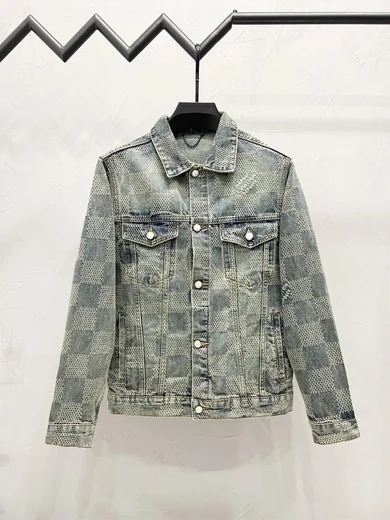
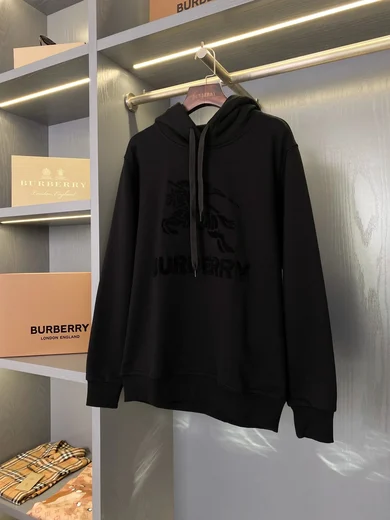
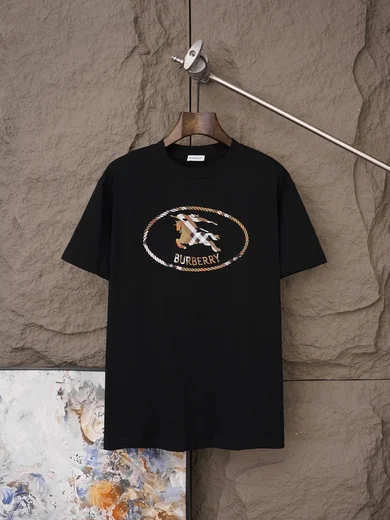
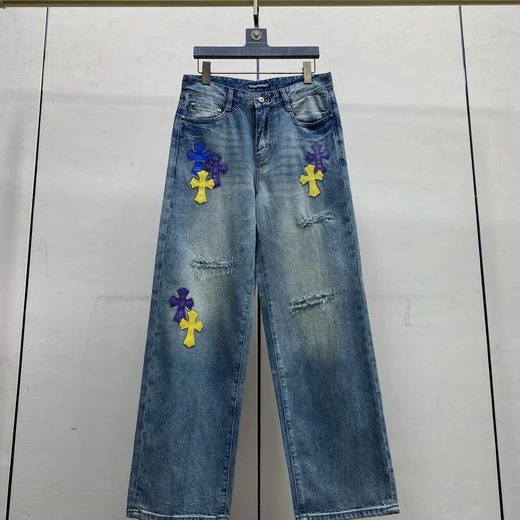
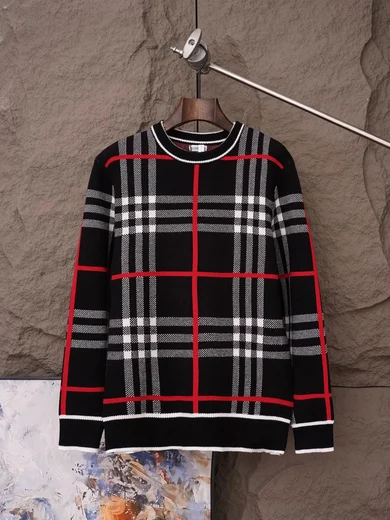
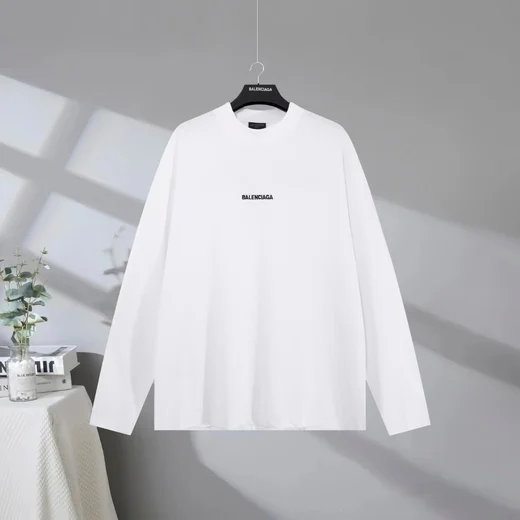
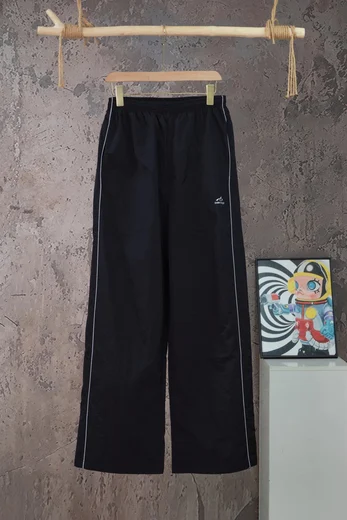
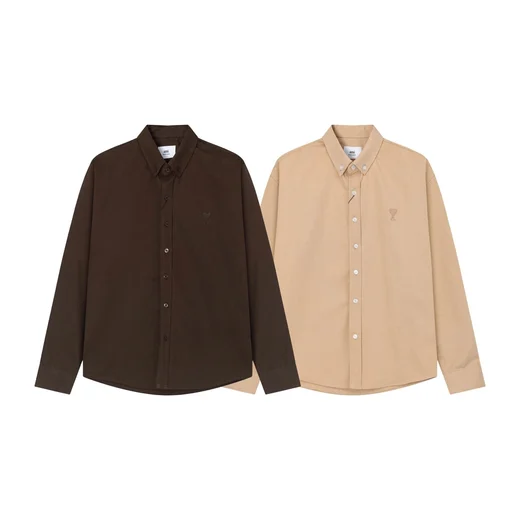
One median-priced piece from each main category, for a sense of how the directory reads in practice. Open a card for the full photo set and the outbound link.
Frequently asked questions
How many pieces are in the catalogue?
581 active listings were counted on 18 November 2026, split across eight clothing categories and a small Other group. The number changes as new batches arrive and pieces sell out, so treat this as a snapshot date.
Does the catalogue prove which category is most popular in China?
No. The counts reflect what is listed through this storefront, not national sales or market share. A large group here can only say that this directory stocks a lot of it; it cannot say the same for the wider Chinese clothing market.
Can I judge the quality of a piece from its listing?
Partly, and only the parts the listing publishes. Descriptive bullets, size and colour fields are visible up front; fabric weight, fill power, stitching and authenticity are not. Use the warehouse QC photos, and request a detail shot where the default angles do not show the point you need to check.
Are the brand names on listings verified as authentic?
The directory records the brand wording used in the listing. That wording is not, by itself, proof of authorisation or authenticity. The site does not sell, ship or process payment, and it does not certify that any piece is genuine; decide from the QC evidence you can see.